Medical Camp, Durma Village Telangana

June 7, 2026

Medical Camp, Durma Village Telangana

Bringing essential healthcare to 450 people in a remote tribal village, Chhattisgarh — April 2026

33
Patients seen
450
Village population reached
2
Critical cases referred
₹15000
Funds to implementing team

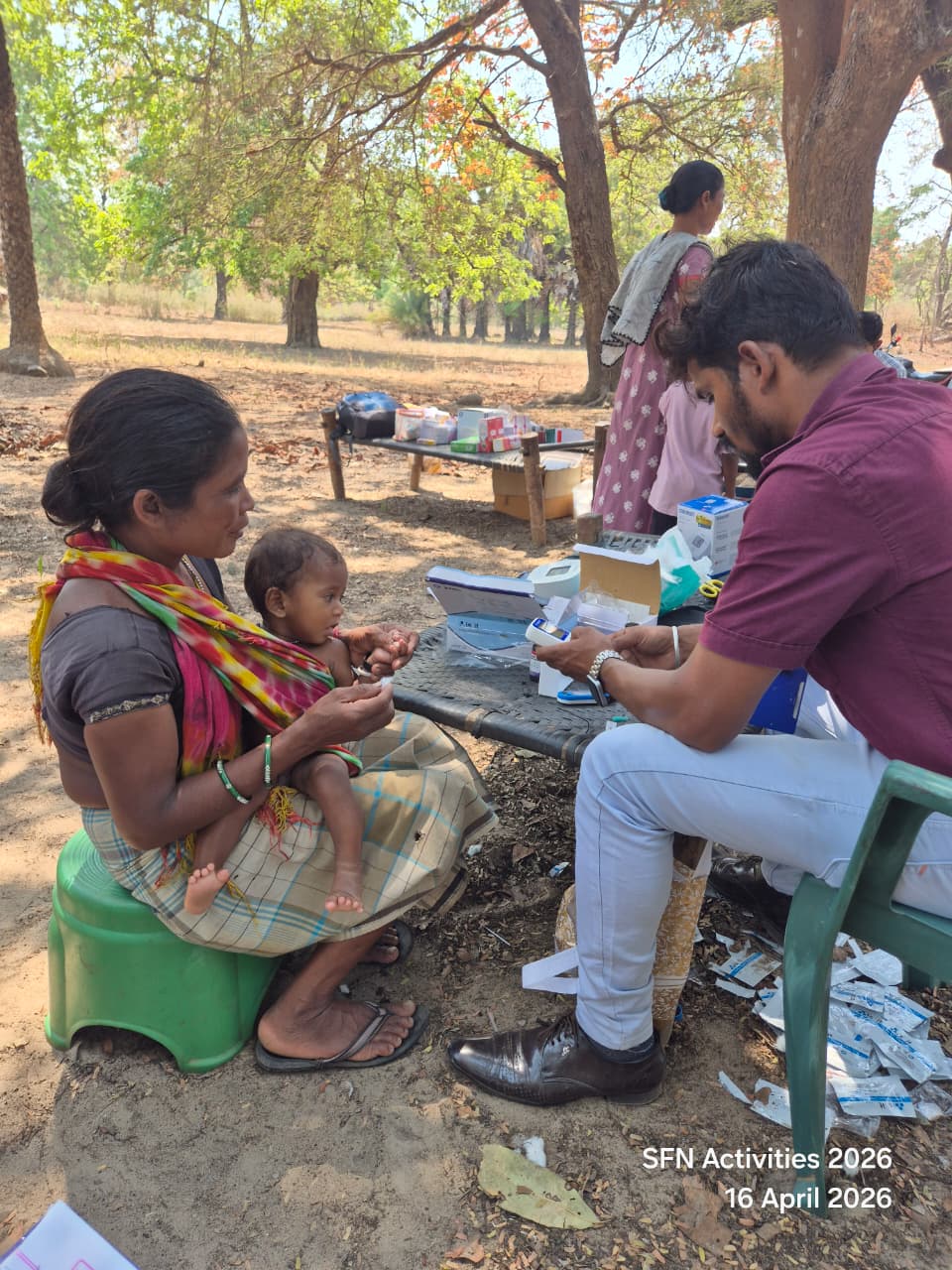
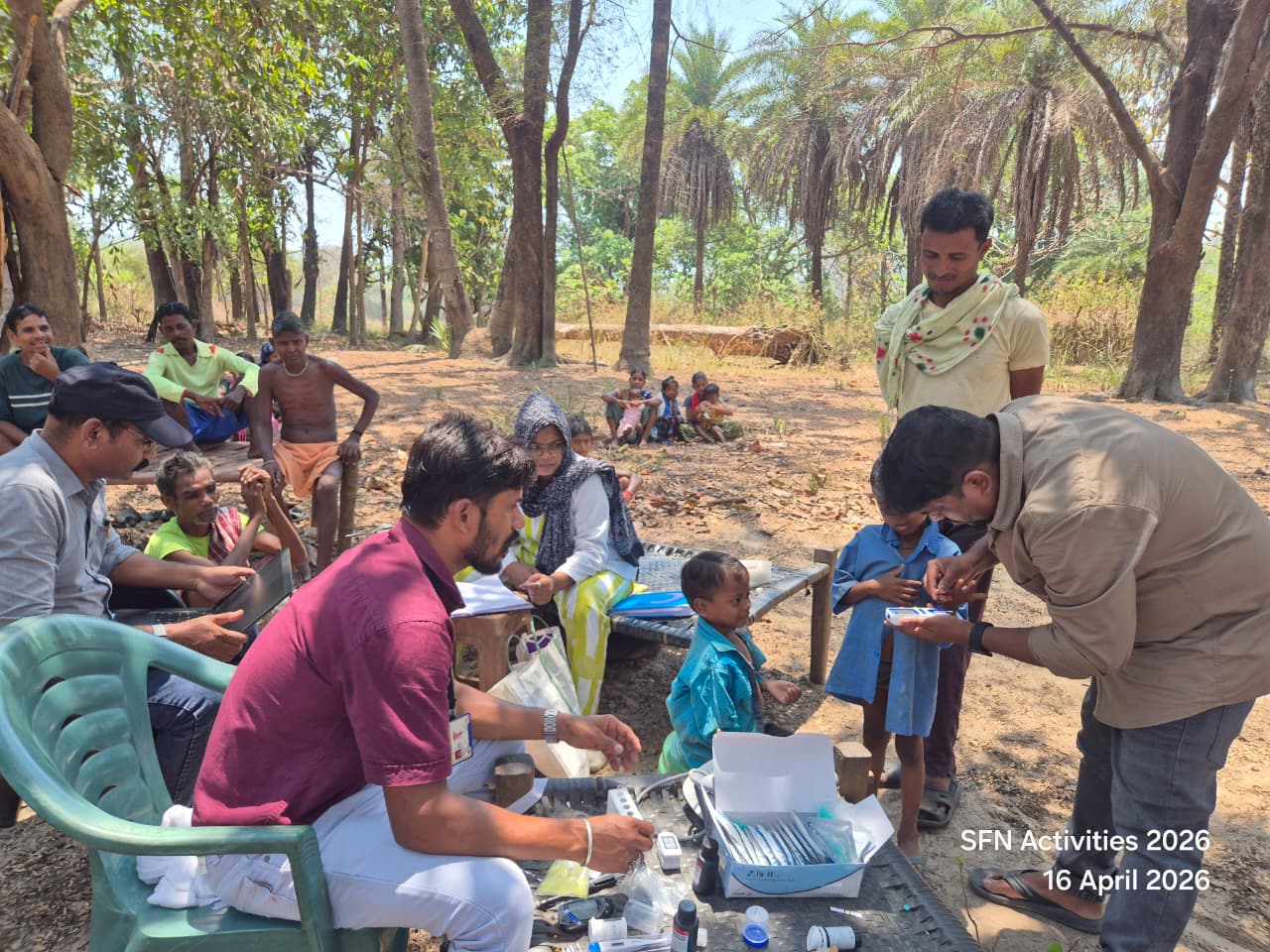
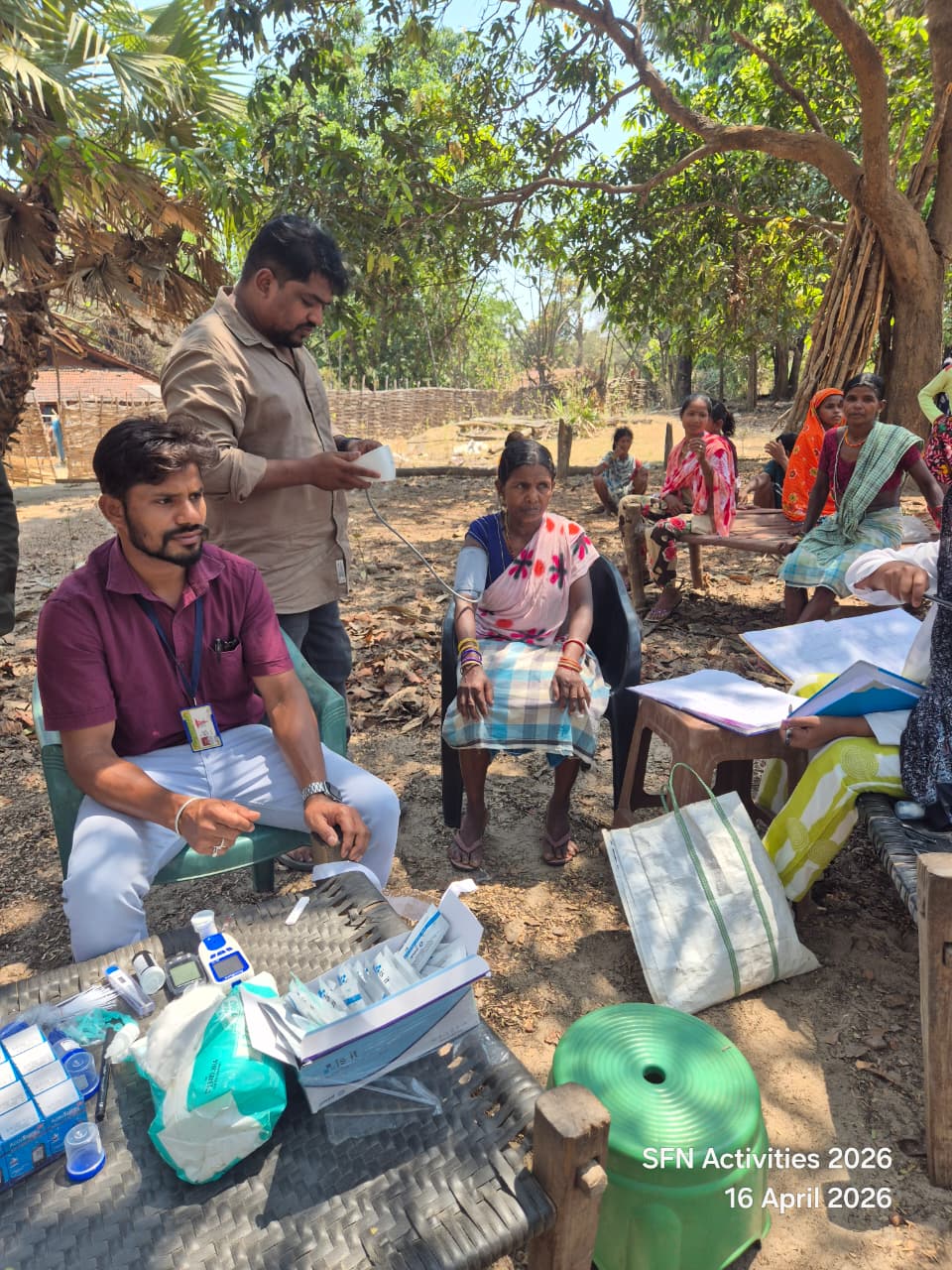
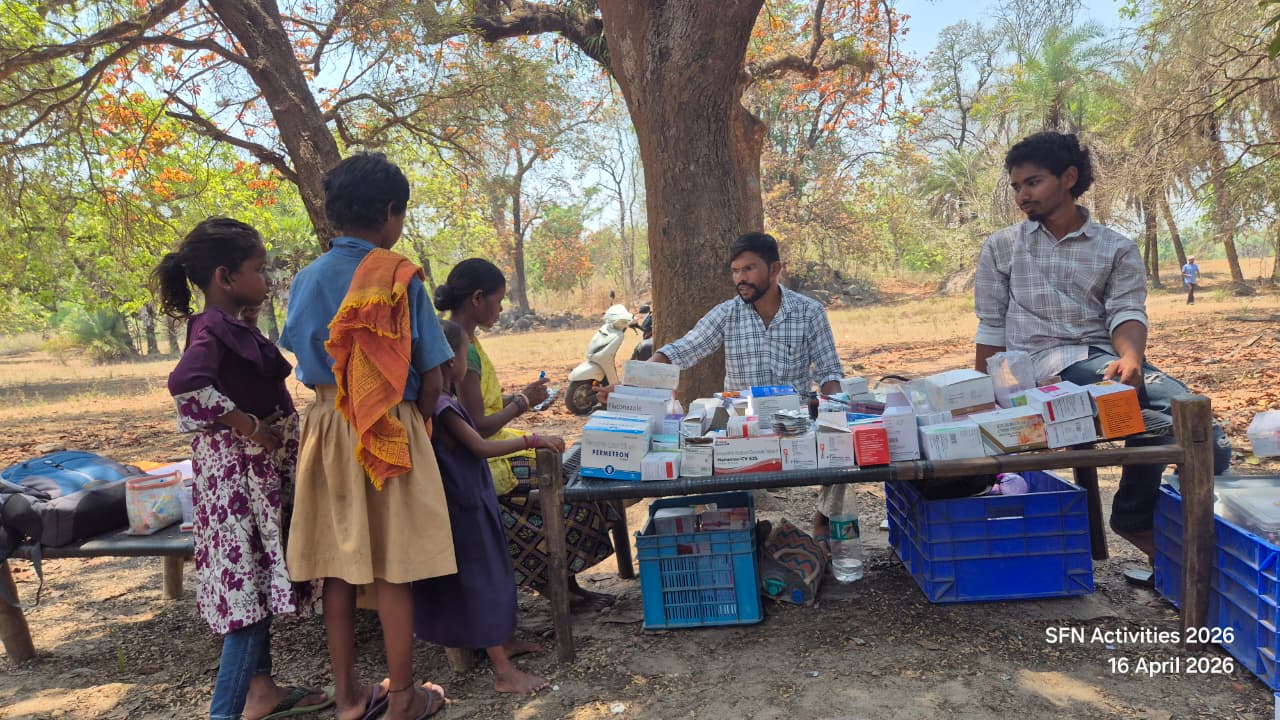
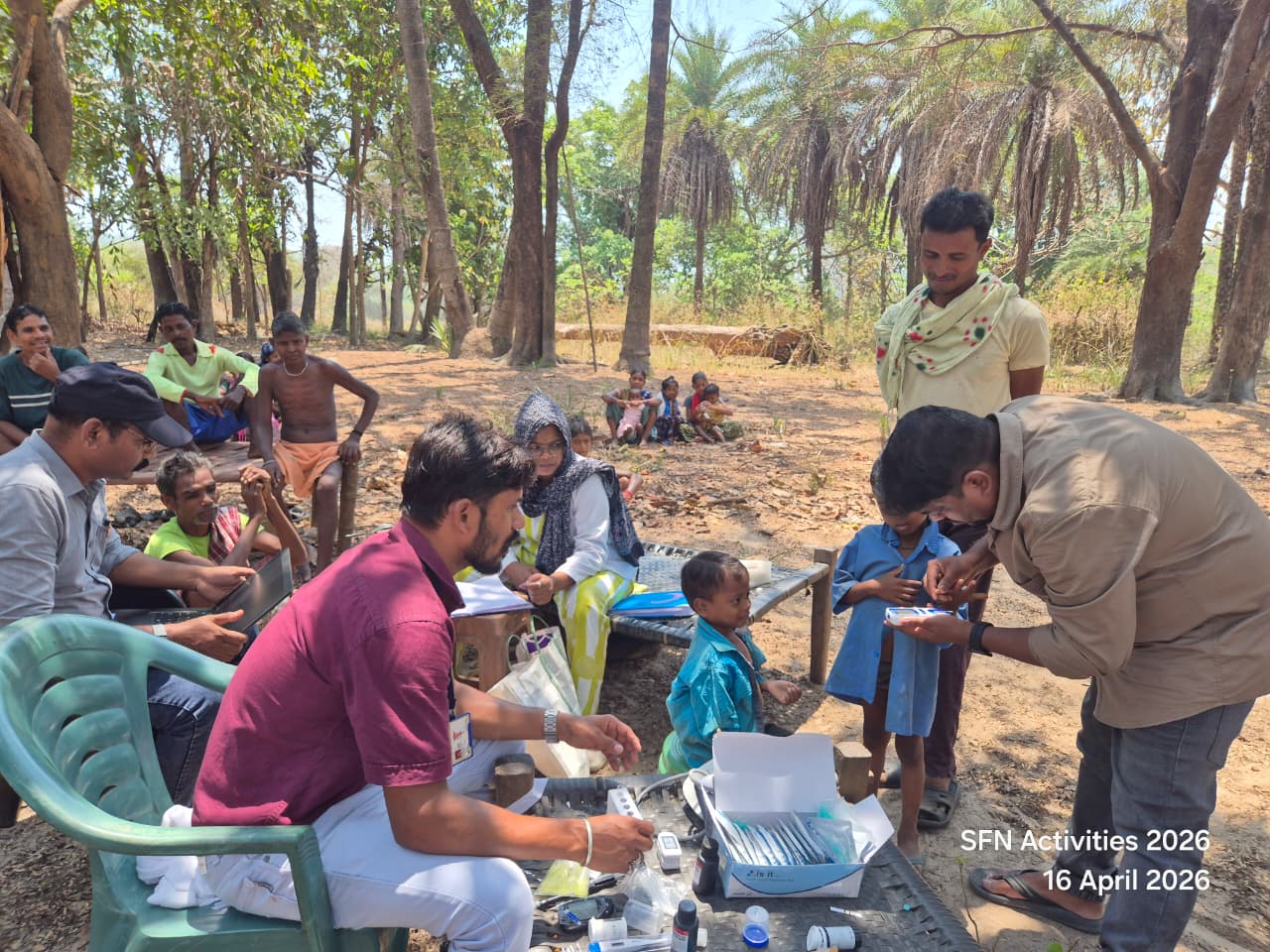
On 16 April 2026, a mobile clinic reached Durma Village under the Konda Savali Sub-Centre in Chhattisgarh — a community of approximately 450 people across 93 households with no resident healthcare worker. A team of four Samaritans and two Ministry of Health staff conducted the clinic under open-air tree cover, examining 33 patients and identifying critical cases of malaria, anaemia, and suspected tuberculosis. Two children with severe anaemia and a positive malaria diagnosis were referred immediately to Konta Hospital's Nutrition Rehabilitation Centre. Total raised by donors: ₹ 15000. Net funds to implementing team: ₹ 13875 after a 7.5% combined fee (Razorpay 2.5% + Udayaa 5%).
The Village and the Gap

The Village and the Gap

Durma sits deep inside the Konda Savali sub-centre area. With 93 households and roughly 450 residents, it is a settlement where routine healthcare access is not a given. At the time of this clinic, no Mitanin (community health worker) was active in the village. Trained individuals had completed their preparation but were awaiting posting orders — a bureaucratic gap that left the community without a consistent health contact point. The mobile clinic was designed to bridge that gap directly: a small, nimble team carrying medicines and diagnostic equipment to a population that would otherwise have had to travel significant distances for any level of medical attention.

What the Clinic Delivered

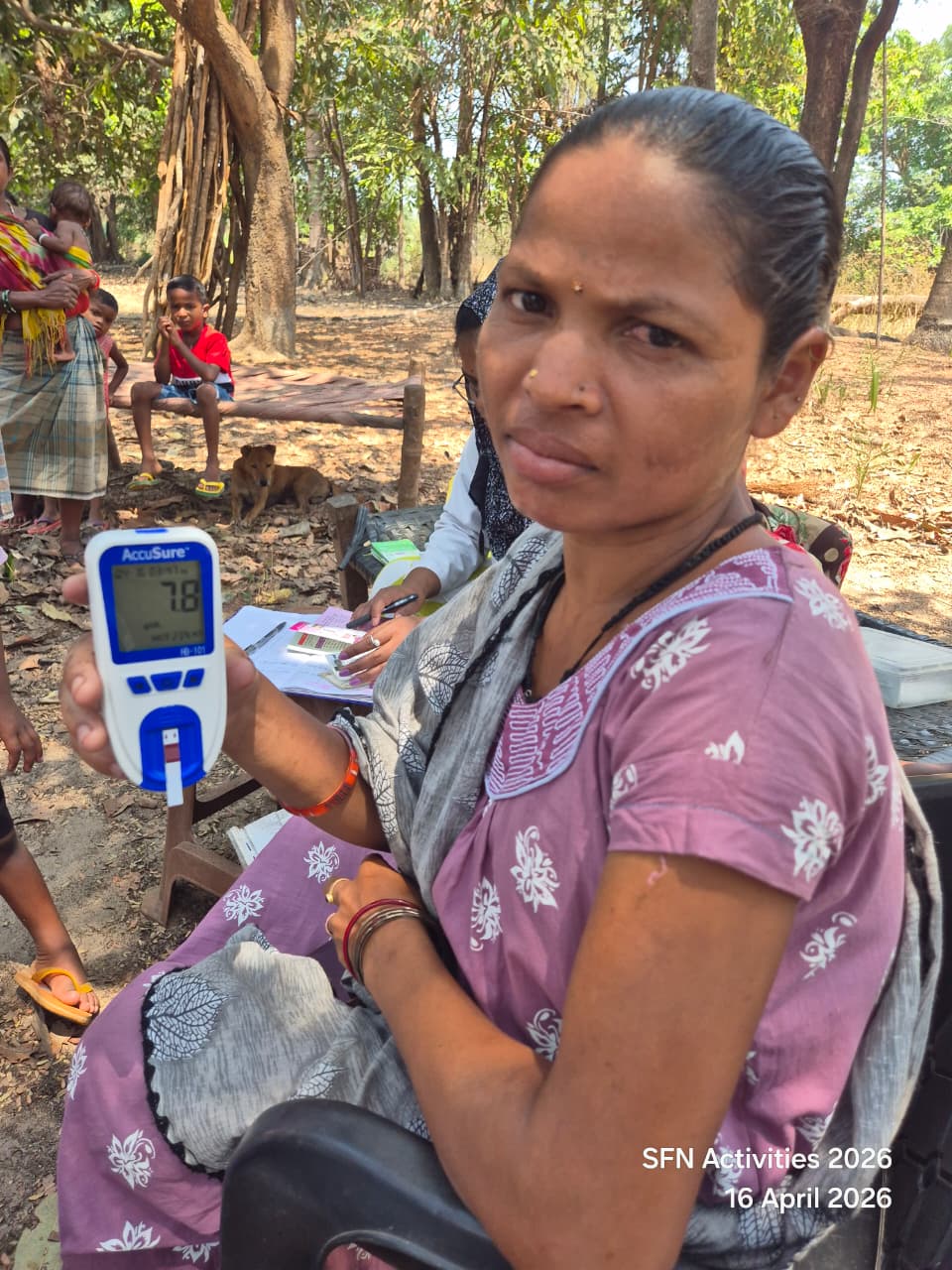
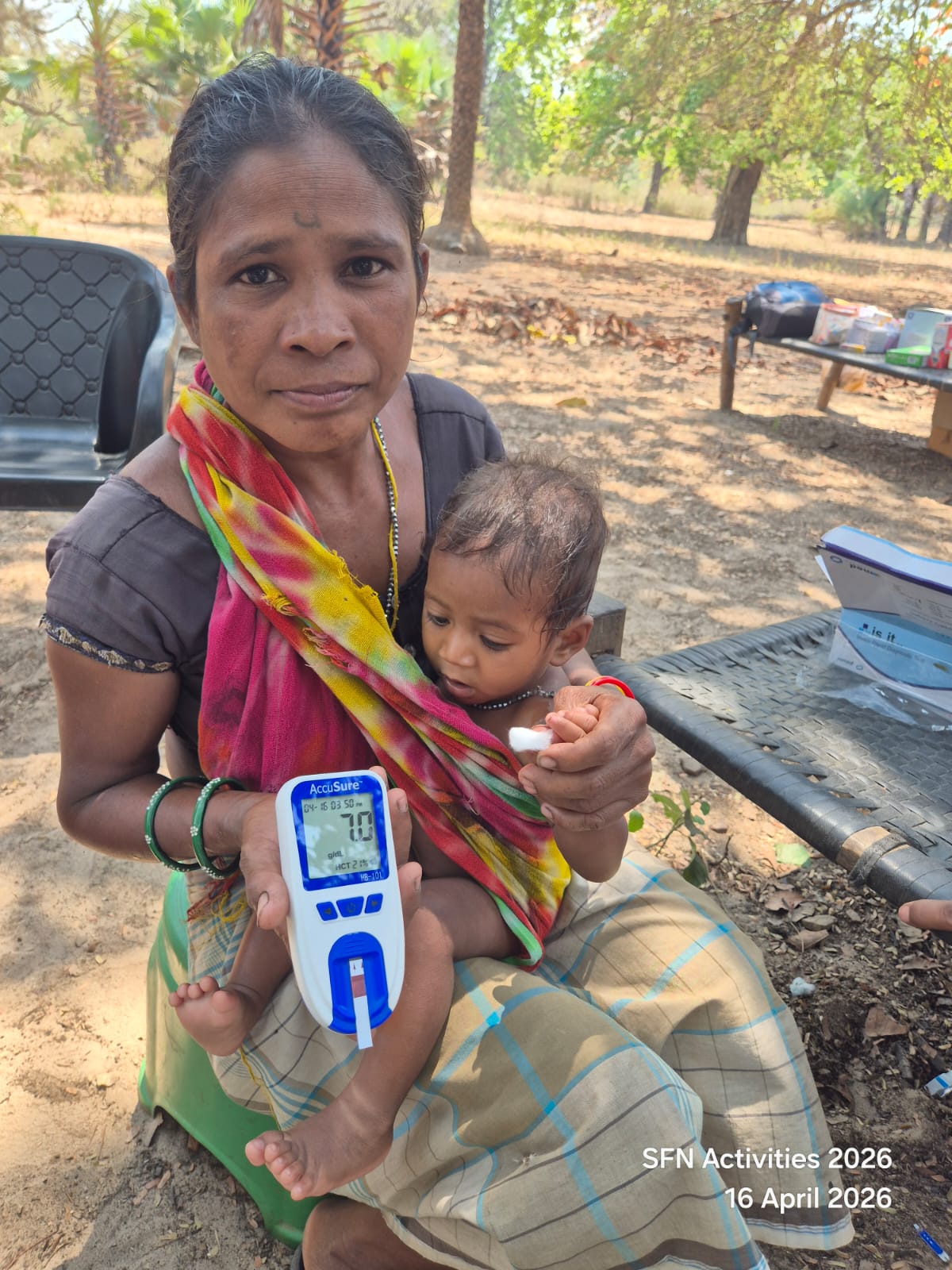
The team of four Samaritans — Ram, Sanjay, Jampu, and Anand — worked alongside MoH staff Nurse Sandhya and Rural Health Officer Manohar to run the clinic across the community. Thirty-three patients received direct medical services on the day, a figure that reflects meaningful community trust in an external team arriving without prior infrastructure. Key health conditions identified: .Malaria (Multiple Cases): Diagnosed and treatment provided .Anaemia (Multiple Cases): Identified and assessed .Malnutrition: Identified and flagged for follow-up .Suspected Tuberculosis: Sputum containers distributed for testing .Severe Anaemia + Malaria (2 Children): Referred to Konta Hospital NRC immediately
What the Clinic Delivered
What This Clinic Revealed

What This Clinic Revealed

Beyond the 33 patients treated, the clinic produced a clearer picture of the health landscape in Durma. The concentration of malaria, anaemia, and malnutrition in a single village of 450 people points to systemic conditions that a single day-clinic cannot resolve but can begin to document. The early identification of suspected TB cases and the distribution of sputum containers is a meaningful step toward a diagnosis that might otherwise take months to reach someone in Durma. The referral of two children with severe anaemia and a positive malaria diagnosis to Konta Hospital's Nutrition Rehabilitation Centre is the most urgent outcome of the day. Without the clinic's presence, these cases may not have been escalated in time.

What this tells us about the gap

The clinic team noted the absence of active Mitanins as the single biggest structural barrier to continuity of care. Trained community health workers are ready and waiting — the delay is administrative. Expediting posting orders for Durma's Mitanins would allow the progress from this clinic to compound, not evaporate.
What this tells us about the gap
Where Your Money Went

Where Your Money Went

Every campaign on Udayaa uses a deductive fee structure: fees are taken from the total raised before funds reach the implementing team. Two fees apply: Razorpay payment processing (2.5%) and the Udayaa platform fee (5%), for a combined deduction of 7.5%. The net to the implementing team is always total raised multiplied by 0.925.
What Comes Next

What Comes Next

The Durma clinic was a first point of contact, not a conclusion. The field report identifies several specific follow-up priorities that will determine whether the day's work compounds into lasting change or remains a one-off intervention: Priority 1 — Mitanin posting orders Expediting the deployment of trained community health workers to Durma is the single highest-leverage action available. Mitanins provide the continuity this clinic could not — patient follow-up, medication adherence checks, and early flagging of deteriorating cases. Priority 2 — TB case follow-up Sputum containers were distributed but collection instructions were incomplete. A follow-up contact is needed to ensure samples are collected correctly and returned for testing. Priority 3 — Clinic structure improvements Future clinics will benefit from defined patient flow, systematically arranged stations, and integrated health education sessions. This is a process improvement the team can implement before the next visit. Priority 4 — Health records Health cards were not issued during this clinic. Introducing them in the next visit will allow patient histories to be tracked across multiple contacts and improve continuity of care.

Thank you for making this possible.

Every person examined in Durma on 16 April got there because someone believed that healthcare should reach people, not the other way around. That belief, backed by your support, is what put a team under those trees with a blood pressure cuff and a stethoscope.

Be Part of the Impact

Your donation directly supports student-led campaigns creating lasting change in communities across India.

Explore Campaigns