Myra Goenka's campaign on Udayaa raised ₹63,601 from 10 donors to fund special education and intervention sessions for children with Autism and Intellectual Developmental Disorders across India. The funds powered the Sobati Program Pilot, run by Saamarthya Foundation across 16 Anganwadis in Baner and surrounding areas of Pune. Sobati, meaning companion in Marathi, brought early developmental support directly into government-run preschools, reaching children aged 2 to 6 before delays go undetected. Of the ₹63,601 raised, ₹62,055 reached Saamarthya directly. The remaining ₹1,546 covered payment processing costs under Udayaa's early-stage fee structure.
The Gap This Campaign Addressed
More than 72% of the estimated 5 million children aged 0 to 14 living with developmental disabilities in India are based in rural areas. For most of these families, quality special education is not a nearby resource. It requires hours of travel, costs that are out of reach, and a degree of diagnostic awareness that many communities have never been given the tools to develop.
The result is a predictable and painful pattern: children miss the early intervention window. The period between ages 2 and 6 is when developmental support produces its most lasting outcomes for children with Autism and IDD. Without timely identification and consistent therapy during this window, children and their families face a much steeper road ahead.
Saamarthya Foundation understood that reaching families during this window meant going to where they already were, not waiting for them to find their way to a clinic. That logic is what the Sobati pilot was built on.
What Your Support Made Possible
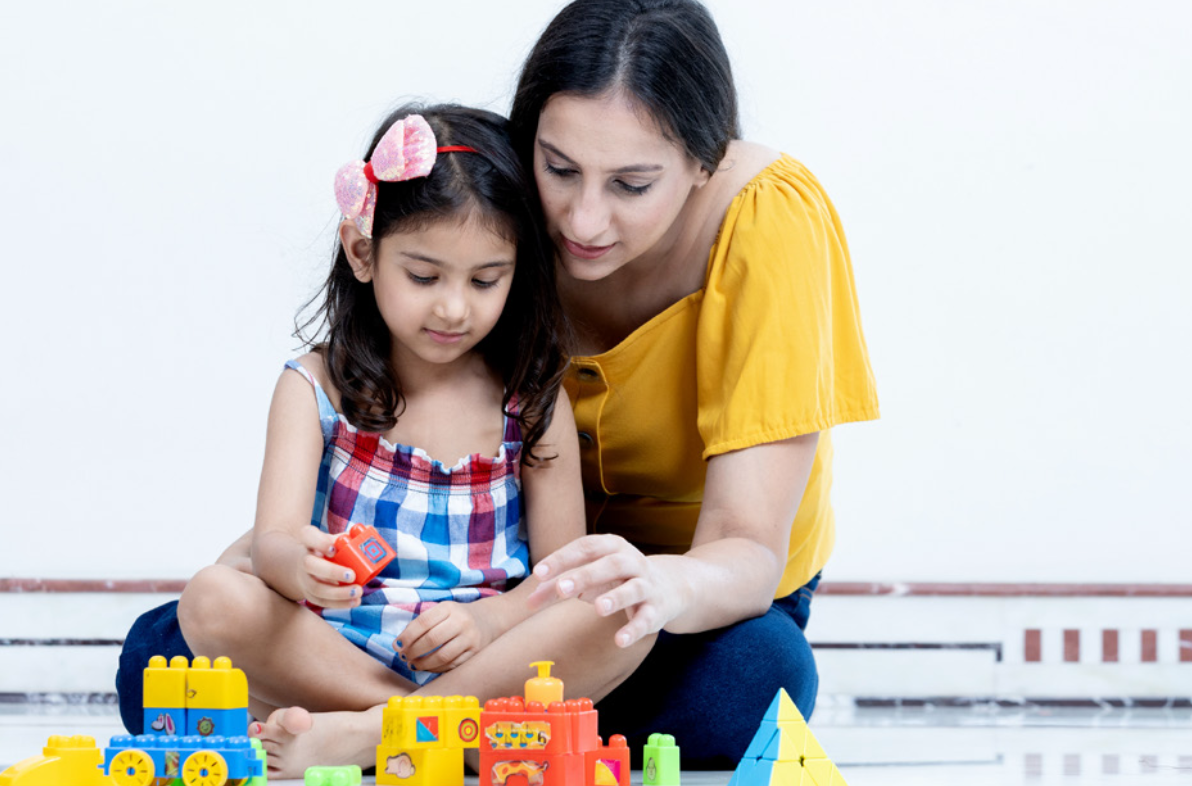
The Sobati Program placed Saamarthya's team inside 16 Anganwadis, the government-run preschools that are often the first structured environment a young child in an underserved community encounters. Working through storytelling, play, art, and movement, the team observed children in settings that felt safe and familiar, removing the clinical distance that often makes early screening feel threatening or stigmatising to families.
What Your Support Made Possible
The Sobati Program placed Saamarthya's team inside 16 Anganwadis, the government-run preschools that are often the first structured environment a young child in an underserved community encounters. Working through storytelling, play, art, and movement, the team observed children in settings that felt safe and familiar, removing the clinical distance that often makes early screening feel threatening or stigmatising to families.
What made Sobati different
Most early intervention programs ask families to come to them. Sobati went to where children already were. By embedding therapists inside Anganwadis, the pilot reached children and caregivers who would never have walked through the door of a clinic, and did so in a way that felt like part of the day rather than a separate and potentially stigmatising visit.
Training Caregivers to Carry the Work Forward
One of the most deliberate choices Saamarthya made in the Sobati pilot was to train 30 caregivers with practical, home-based tools and activities. This reflects a clear-eyed understanding of how developmental support actually works: a weekly therapy session matters, but what happens in the hours and days between sessions matters just as much.
By teaching parents the activities and observation techniques that Saamarthya's therapists use, the program multiplied its own reach. Every trained caregiver became a point of continuity for their child's development. For families who faced travel barriers or could not sustain consistent clinic visits, this training was not supplemental. It was the primary support.
Transport assistance was also provided for families in need, removing one of the most concrete barriers to participation. The combination of home-based training, in-Anganwadi observation, and transport support reflects a program designed around the real constraints of the families it serves.