April 9, 2026
Project Annapurna: Q1 2026 Impact Report
Nutritious Meals for Women and Children in Tribal Communities
April 9, 2026
Nutritious Meals for Women and Children in Tribal Communities
Project Annapurna raised ₹93,706 between January and March 2026 to fight food insecurity and expand healthcare access for vulnerable communities. Of that, ₹86,678 reached partner organisations on the ground — funding three medical camps in remote tribal villages in Sukma and Bijapur districts, grocery distribution for underprivileged families and athletes in Hyderabad, and baby formula for infants in low-income households. A remaining balance of ₹10,854 continues to be deployed as the campaign scales.
Project Annapurna raised ₹93,706 between January and March 2026. Of that, ₹86,678 reached partner organisations on the ground — deployed across medical camps in remote tribal villages in Chhattisgarh, grocery distribution in Hyderabad, and nutrition support for infants and athletes in low-income households. A remaining balance of ₹10,854 continues to be deployed as the campaign scales.
Samaritans for the Nation reported back after each camp. The villages in Sukma and Bijapur are among the most remote in Chhattisgarh — nearly 10 kilometres interior, with limited road access and no regular healthcare presence. When the team arrived, they found communities carrying disease burdens that had gone unaddressed for years.
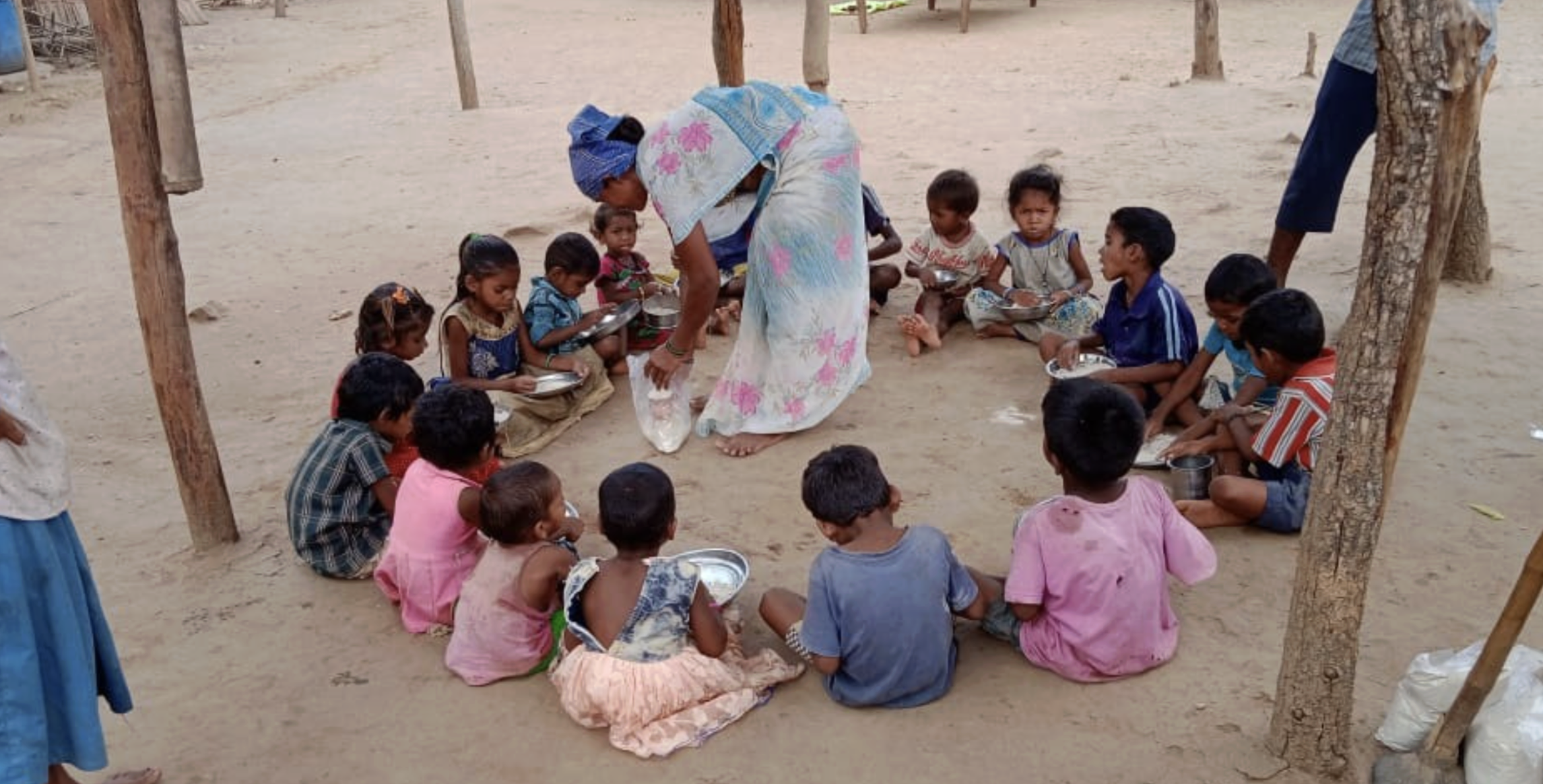
Beyond acute illness, the team identified children who had lost their mothers and others whose caregivers were too malnourished to provide adequate nutrition. Nutritional supplements were distributed on the spot. High-risk pregnancies were flagged and placed under continuous follow-up. Awareness sessions on malaria prevention, hygiene, and early symptom recognition were conducted — topics that, for many of these villages, were being covered by a medical professional for the first time.
"Your support has made a meaningful difference in reaching these remote communities and addressing urgent health needs. For many villages, it was the first time a medical team had ever visited." — Samaritans for the Nation
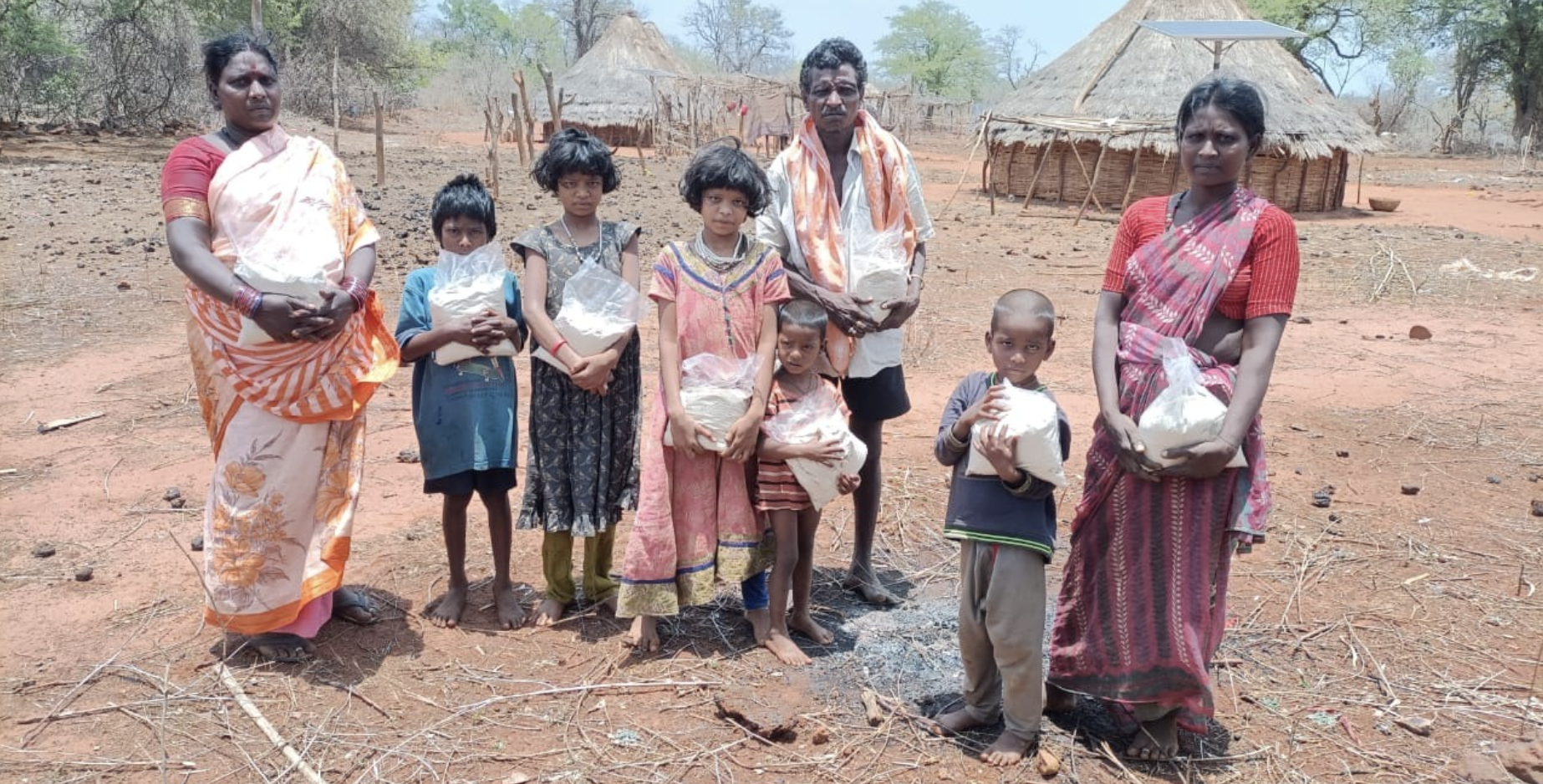
Beyond acute illness, the medical team found something harder to treat quickly: children who had lost their mothers, and others whose caregivers were too severely malnourished to provide adequate nutrition. For these children, the gap between need and access was immediate.
Nutritional supplements were distributed on the spot. High-risk pregnancies were identified and placed under continuous follow-up. The team has since maintained monitoring for these cases — turning a single visit into an ongoing care relationship.
₹13,000 was directed toward baby formula for infants in low-income households in Hyderabad — addressing the same gap in a different geography. When a mother cannot provide adequate nutrition, the consequences are immediate and lasting. This campaign treated that as the emergency it is.
— Samaritans for the Nation
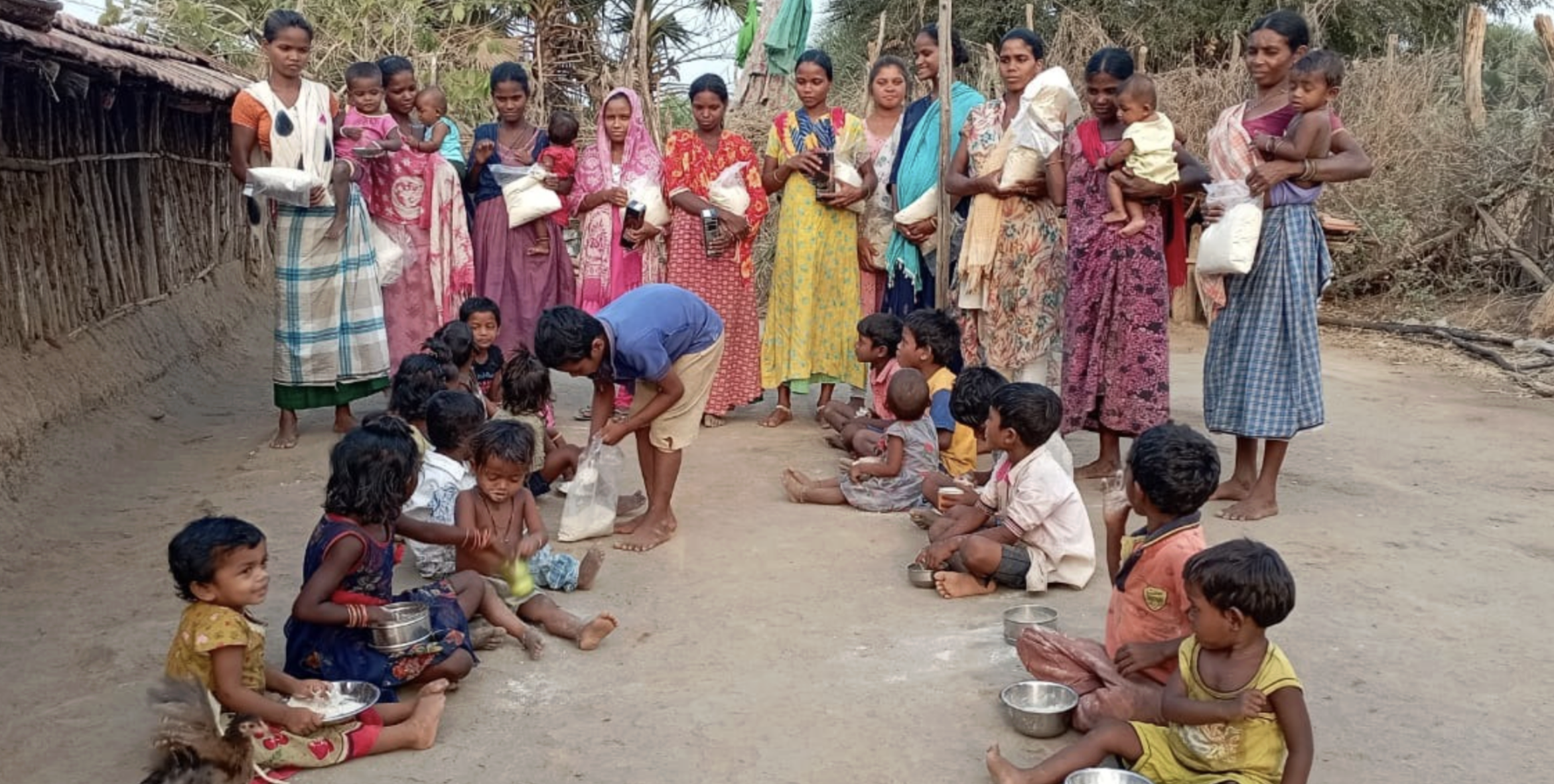
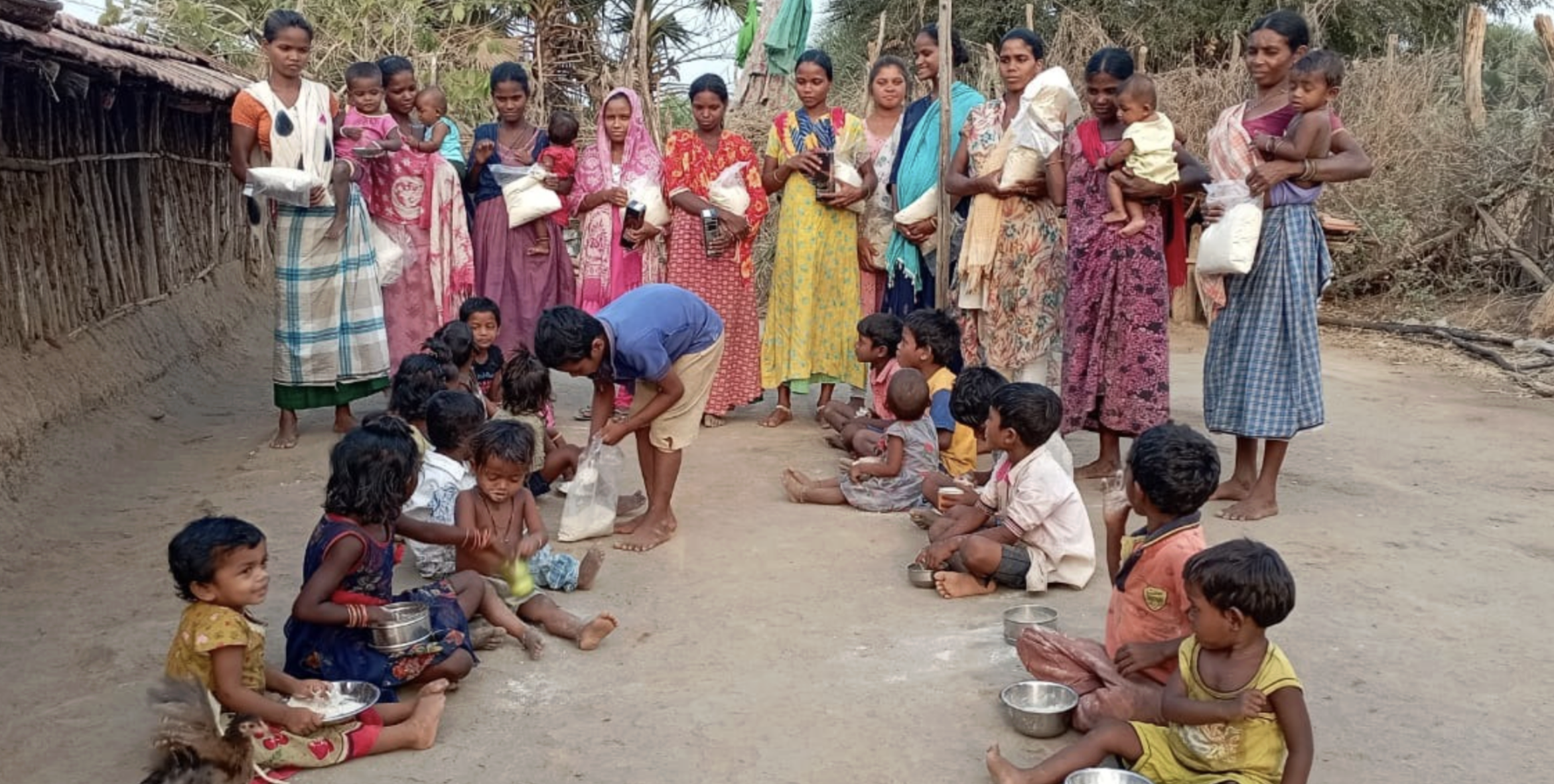
Two rounds of grocery distribution were carried out in Hyderabad across February and March. The February round delivered groceries directly to athletes from underprivileged backgrounds — young people whose training demands nutritional support their households cannot consistently provide.
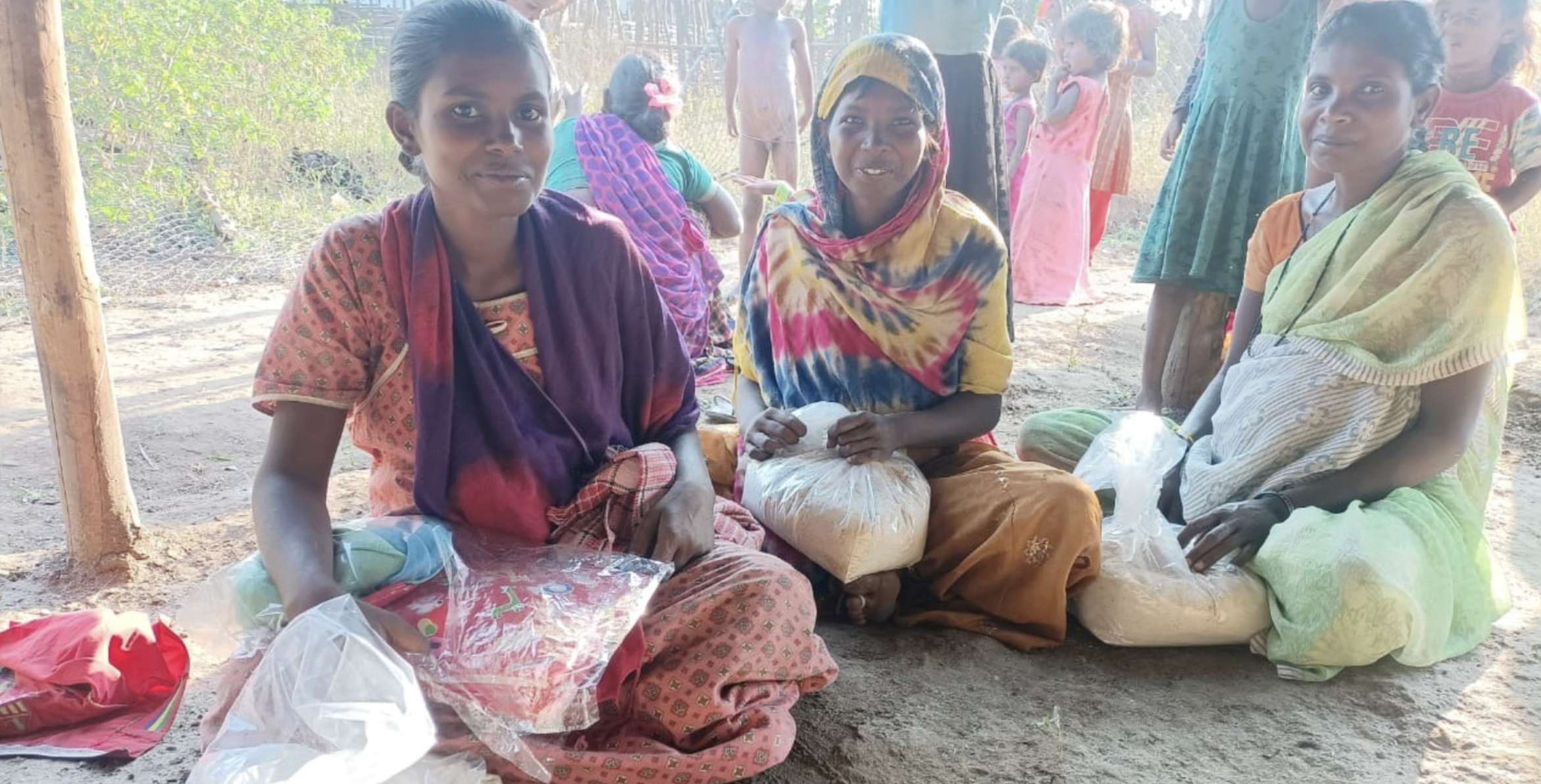
The March round went broader: essential grocery kits containing rice, dal, sugar, oil, atta, and rawa were distributed to vulnerable households. These are not supplemental items — they are the staples a family builds every meal around.
A further ₹10,816 was used to procure 208 kilograms of rice, distributed at scale through ISKCON Attapur's established community network.
— Samaritans for the Nation
Project Annapurna was built on a single belief: access to food is a basic human right. Through the generosity of donors across this campaign, hundreds of people received direct support — from infants in need of formula to families facing food insecurity to patients in tribal villages who had never before received medical care.
What this campaign demonstrates is that students, when given the right infrastructure, can move quickly and deliver targeted support. A student campaigner raised over ₹93,000 across three months, partnered with an established field organisation, and channelled funds into five distinct interventions — each addressing a confirmed, specific need.
With the addition of recurring medical camps in Chhattisgarh, Project Annapurna has expanded beyond immediate relief into something more sustained. Follow-up care has been initiated for high-risk pregnancies identified at the camps. Communities that received a first-ever medical visit are now being monitored. That continuity is what separates a one-time gesture from a care relationship — and it is what this campaign is building toward.
Five distinct areas of need were addressed by this campaign. In Chhattisgarh, three monthly medical camps delivered essential care to 90+ patients in the Thadametla camp alone, with medicines, nutritional supplements, and awareness sessions provided at each. In Hyderabad, two rounds of grocery distribution reached athletes from underprivileged backgrounds in February and vulnerable households in March — with kits containing rice, dal, sugar, oil, atta, and rawa. 208 kg of rice was also procured and distributed through ISKCON Attapur's established community network. And ₹13,000 was directed toward baby formula for infants in households where mothers could not provide adequate nutrition due to their own malnourishment.
Every intervention was chosen to address a specific, confirmed gap — not estimated need, but documented shortfall in communities where partners were already present.
Proportional allocation
Your donation directly supports student-led campaigns creating lasting change in communities across India.
Explore Campaigns